Liberate Guernsey

Island
Loneliness and isolation
Issue
£58,234

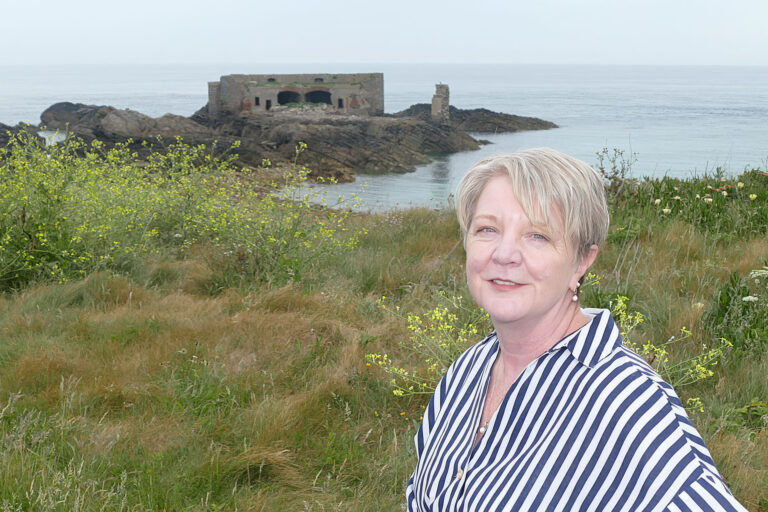
Liberate’s founding plan was modest: campaign for same-sex marriage rights in Guernsey and the Bailiwick, and then quietly wind down. “We thought we’d probably only need to be around for a year or so,” says Ellie, who has led the charity since its earliest days. What followed was not a quiet wind-down but an explosion of need; a need for community spaces, for legal advocacy, for representation in health services, schools, workplaces and government.
Twelve years on, the charity supports the LGBTQ+ community across the Bailiwick of Guernsey through a wide range of activities: a trans peer support group, an active social programme (sea swimming, roller skating, yoga, football), a thriving youth group, a regular community bar night, one-to-one casework, and ongoing engagement with government, schools and organisations. Much of this is held together by Ellie alone, with one part-time colleague handling communications. The grant from Lloyds Bank Foundation funds Ellie’s salary, and in doing so, funds everything else.
The community Liberate serves is shifting. The demographic seeking the most support has changed in recent years. Trans people have become more visible, and with visibility has come both greater hostility and, increasingly, greater need. “The world has moved into a bit of a negative space again for LGBTQ+ people,” says Ellie. “People are feeling scared of being out in public. There’s a rise in bullying and homophobia.” Liberate’s role as a safe and visible community anchor has never been more important.
Support takes many forms. At one of Liberate’s community bar nights, a man approached Ellie and asked if they could talk. He was experiencing serious homophobia at work, but leaving or speaking out could close doors for him permanently. By Monday morning, Ellie had visited the Island’s Employment and Discrimination Service to understand his options, then met with him to map a way forward. Elsewhere, a person newly identifying as trans needed support navigating the health system and was too anxious to attend a group alone, so Ellie met them outside, walked in with them, and made the introduction. A parent whose child had just come out needed reassurance. The situations are different; the response is always the same: listen, inform, and make sure no one feels alone.
Among the moments that have stayed with Ellie most in her time at Liberate is one from Pride two years ago. Two former members of Liberate’s youth group, people who had found the charity as teenagers, at a time when they had few other places to turn, had since met, fallen in love, and got engaged. Knowing Ellie was also a wedding celebrant, they asked her to marry them. She agreed. Then, almost as an afterthought, she suggested they do it on the Pride stage.
Ellie believes it may have been the first legal wedding ever held on a Pride stage anywhere in the world. “That’s pretty cool from a personal perspective,” she says. It is also something more: a full-circle moment that captures exactly what Liberate exists to do: give people a community where they can grow into who they are.
However, that work has not always been easy to sustain. Liberate previously delivered around 100 lessons a year in schools on LGBTQ+ inclusion, until it was cut suddenly. “It got me to the point where I was like, I can’t do this anymore.” It was at that low point that a charity response forum session arranged through Lloyds Bank Foundation - a panel of volunteers from across the bank with different areas of expertise - made a real difference. “They were really good at re-enthusing what we were doing,” Ellie says. “It just gives you a bit of confidence back. Yeah, we are doing amazing work. Not everyone thinks in that negative way.”
The relationship with the Foundation is one Ellie clearly values. She describes it as distinct from other funders; more present, more engaged. “They’re the only funders that engage with the community a bit more,” she says. When a recent grant application was unsuccessful, the Foundation made time to give honest, useful feedback. “You always feel like you can have those open conversations,” says Ellie, “regardless of whether you’re successful. They’re still there for support.” The Foundation also connected Ellie with a bank colleague who Co-Chairs the Bank’s Rainbow LGBTQ+ Network for moral support and advice.
Looking ahead, Liberate’s priorities are consolidation and resilience. After a decade in the role, Ellie is thinking carefully about succession, ensuring the organisation can continue if and when she steps back, and about reducing dependence on grant funding through a more robust fundraising strategy. The dream, kept alive on a wish list for now, is a permanent community space: a café and hub where people can gather, find support, and simply be. The ask is around £100,000 to get it off the ground.
For now, the work continues, visible, present, and necessary. “Representation and community,” says Ellie, when asked what she wants readers to take away. “It’s really hard to explain how much, when that’s missing, you miss it.” Liberate is about safety in a world that can still feel hostile, it helps people be visible and not have to face their challenges alone.