Focus on Mental Illness

Island
Health including mental health or a disability
Issue
£40,000

Now in its sixth year, founded at the height of the pandemic in 2020, Focus on Mental Illness is a small, independent charity based in Jersey, dedicated to improving the quality of life for people living with severe mental illness; conditions such as schizophrenia, bipolar disorder, and clinical depression, as well as the families and carers who support them.
Back in 2020, support for people living with severe mental illness outside of statutory mental health services was sparse. There were almost no spaces where people with lived experience could have a genuine say in how the services that affected them were designed and delivered. And while public awareness of mental health had grown considerably, the picture was quite different when it came to severe mental illness. Stigma, misunderstanding, and isolation remained realities for many.
Six years on, the charity believes that gap has not gone away. If anything, it has widened. Demand for their support has increased significantly; families are arriving with greater complexity of crises, and the mental health services they work alongside are under mounting strain. The need for Focus on Mental Illness’s services is as vital now as it ever was.
The charity's work spans four interconnected areas: family intervention services, user participation, community engagement, and therapeutic groups. It operates without a building of its own, instead embedding itself in the communities it supports. Its Art in Focus group meets at the Harbour Gallery, run in partnership with Art in the Frame Foundation. The Carers Forum and Focus Up user participation group gather at the Salvation Army Community Space. Family Therapy takes place in family homes. The charity goes to people, rather than asking people to come to it.
Their slogan, human to human, captures something essential about how the charity operates. When someone comes through the door for the first time, perhaps after years of feeling there was nowhere else to turn, they are met with someone who listens.
In December 2025, Focus on Mental Illness received a £40,000 core grant from Lloyds Bank Foundation. The money goes towards essential operating costs, primarily salaries, that make everything else possible. Without people, there are no groups, no therapy sessions, no community training days. It sounds simple, but for a small charity, this kind of foundational funding is rarely easy to come by.
The most immediate effect, the charity says, was breathing space. The constant background anxiety about financial sustainability, which consumes so much of a small charity leader's mental energy, eased. But there was something else, too, something less expected: confidence.
Running a small charity means wearing many hats. Grant applications, financial management, safeguarding, communications, all of it falls to a small team alongside the core work of supporting people. It is easy, in that context, to second-guess yourself, to feel like an outsider in rooms that seem designed for larger, more established organisations. The grant, and the validation that came with it, helped shift that feeling.
For the people the charity supports, that validation carries its own significance. Many of them have experienced services being cut, groups being closed, support being withdrawn, simply because the money ran out. The knowledge that a major funder has reviewed what Focus on Mental Illness does and decided it is worth backing sends a message: this isn't going anywhere.
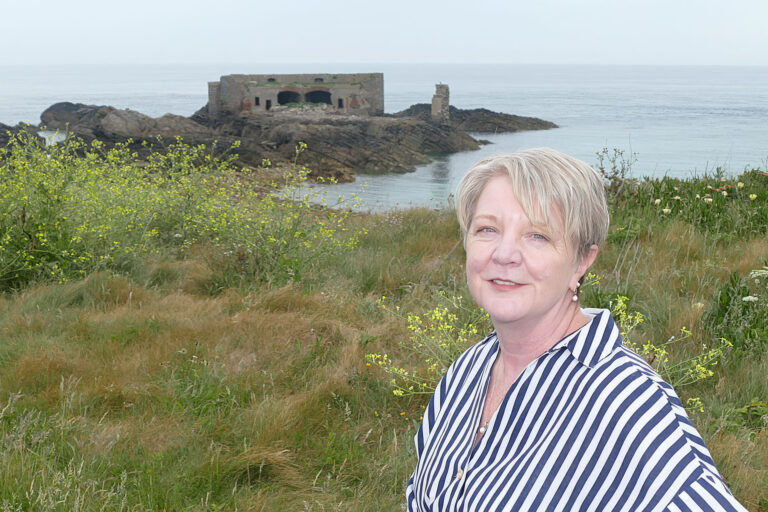
When asked what change looks like for the people she supports, the charity's co-founder, Liz Kendrick-Lodge, is thoughtful. Sometimes it is visible; a person who arrived barely able to make eye contact, just a few months later, laughing and chatting with others. But more often, she says, it is the quieter shifts that mean the most. A family member who finally understands what their loved one is experiencing. Someone at a participation group saying, for the first time, that they feel listened to. A carer who completes Mental Health First Aid training and walks away knowing how to respond if their family member is in crisis.
Liz tells us of an example where change was evident. She had been speaking with someone who attends the Art in Focus workshops - a person living with significant mental illness, navigating an incredibly complex situation, with a wide range of services involved in their care. For this person, the workshop is the only activity they look forward to in the week, the only time they leave the house. Art, they explained, gets them out of their head while also giving them a way to express what they are experiencing, turning feelings into something visual, something tangible.
"They said they can't fault our support in any way," she recalls. "And that it's become an essential part of their life. That, really, is what our work is all about."
Focus on Mental Illness was not successful in its first application to Lloyds Bank Foundation. What struck the charity throughout that process however, was that it was never simply left to figure things out alone. The Foundation was consistently present, willing to talk through what hadn't worked, and how to strengthen the application. Its accessibility and genuine interest made the repeated attempts feel less like rejection and more like a process of refinement. Liz notes that it’s not just the financial backing that is appreciated, but the sense of being genuinely seen and understood by a funder who takes the time to engage.
The next few years hold ambitious hopes. The charity wants to reach more families who don't yet know it exists, and more who have stopped believing that support is available at all. It wants its user participation work to grow, so that people with lived experience are not just heard within the charity but are genuinely shaping the wider conversation about mental illness in Jersey. It also wants something more structural: a deeper recognition within the statutory mental health system that what the charity offers is not a nice addition, but a vital part of the support ecosystem.
The biggest challenge however remains the gap between demand and resource. Funding is uncertain. The statutory services they work alongside are stretched. And the charity itself is very small, with a team of two employed staff navigating all of it. But there is something in the way the charity talks about the future that suggests the challenge is not going to stop them. They know who they are. They know what they do. And they know that it matters.